If you’ve been in the game as long as I have, you remember the “floppy disk shuffle.” Before we had sleek hardware imagers and high-speed bridges, we had Safeback. We’d boot into DOS, cross our fingers that the BIOS wouldn’t auto-mount the drive, and wait—sometimes for a full day—for a few hundred megabytes to mirror.
In those days, Safeback was the gold standard. It was reliable, but it was manual, and the risk of a “fat-finger” error or a BIOS write-back was always lurking. Today, as we navigate 2026, the complexity of digital evidence has shifted. We aren’t just fighting for data; we’re fighting against staggering volumes and “self-healing” SSDs that want to change their own bits while you’re looking at them. At SUMURI, we believe your hardware should be as experienced as you are. Here is my take on the essential Tableau gear for the modern examiner, and why the “old ways” simply won’t stand up in a 2026 courtroom.
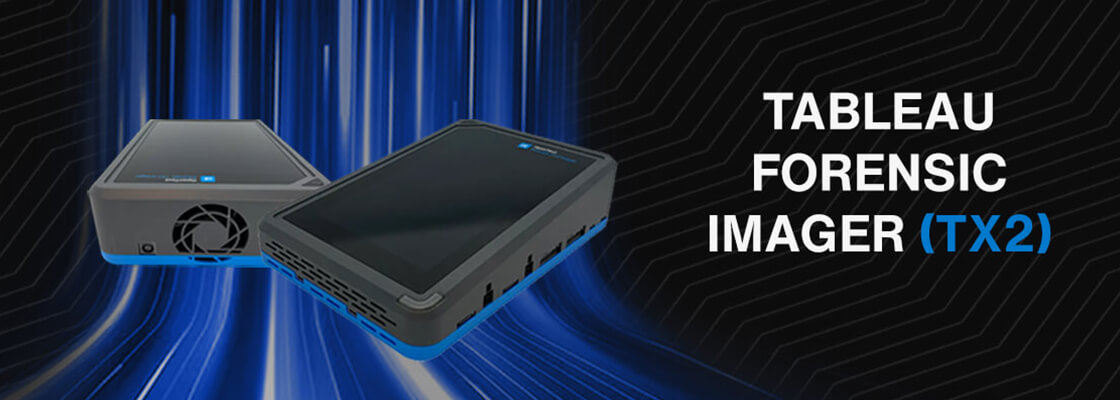
1. The Speed King: Tableau Forensic Imager (TX2)
In the Safeback era, imaging a 2GB drive felt like an overnight project. Today, if you aren’t imaging at gigabyte-per-second speeds, you’re drowning in your backlog.
The Veteran’s Take: The Tableau TX2 is what happens when server-class power meets forensic discipline. My favorite feature? Parallel Hash Verification. Back in the day, we’d finish an image and then have to run a separate pass just to verify the hash. If it didn’t match, you started over. The TX2 does both simultaneously—hashing while it images. It cuts your time on-site or in the lab by 50%. With dual 10GbE ports, it’s built for the massive 12TB+ data sets that define 2026 investigations.
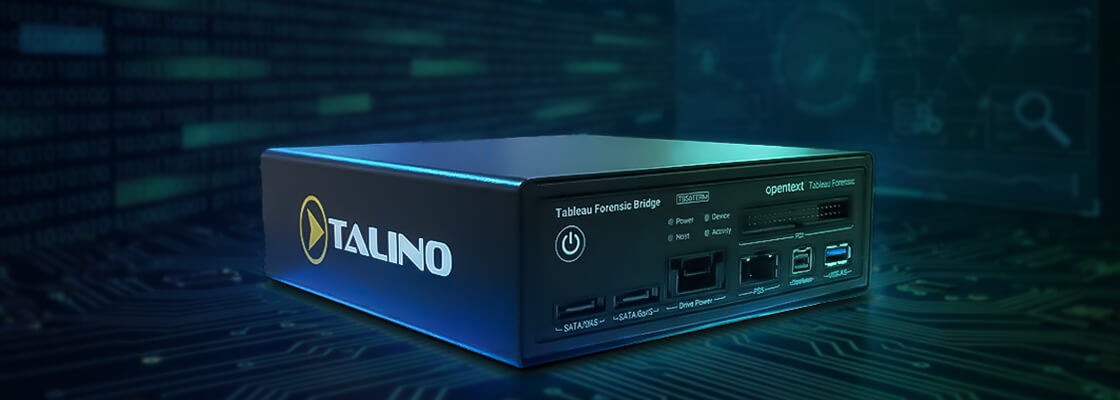
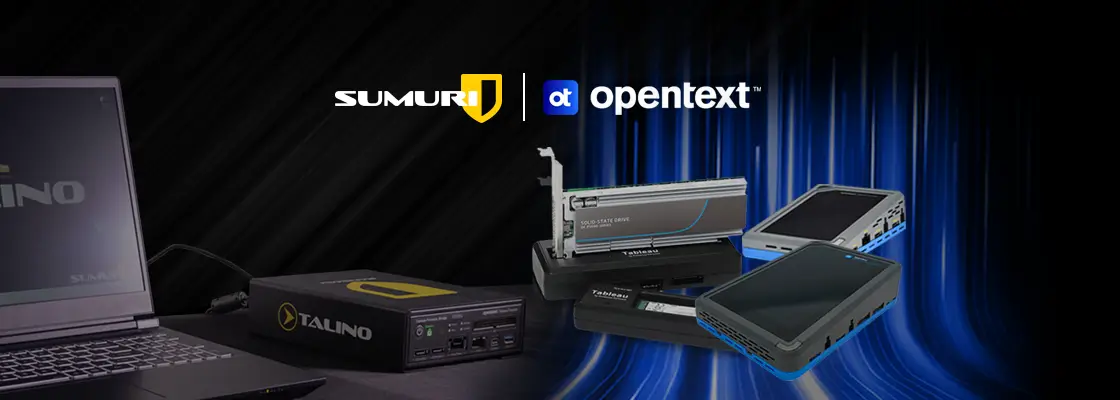
2. The Universal Key: SUMURI Portable T356789iu Enclosure
Remember having to carry a different hardware bridge for every drive interface? One for IDE, one for SATA, one for laptop drives? It made your go-bag weigh forty pounds and look like a mess of wires.
The Veteran’s Take: The T356789iu is the “Swiss Army Knife” I wish I had in the 90s. It supports SATA, SAS, PCIe, USB 3.0, FireWire, and even those legacy IDE drives we still see in cold cases.
The SUMURI Edge: Traditionally, these units were meant to stay inside a PC. We “liberated” it with our custom Portable Enclosure. It gives you external access to the DIP switches, allowing you to toggle between Write-Block and Read/Write mode instantly without opening the case. It’s the ultimate field-ready tool for the veteran who values efficiency.
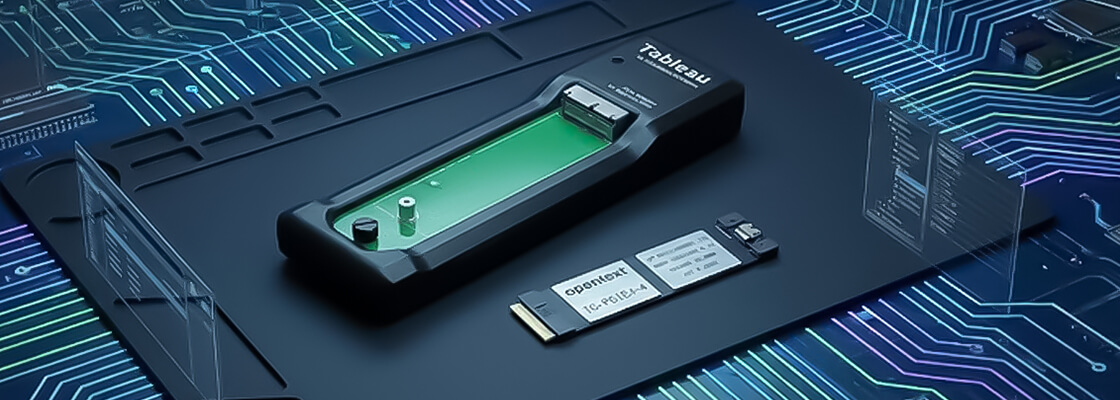
3. The Modern Gap: The 7-Piece PCIe Adapter Kit
Let’s talk about the modern reality: Apple storage. You’re right—the days of pulling a removable SSD out of a brand-new MacBook are effectively over. With Apple’s M-series chips and soldered storage, we’ve had to adapt our methods to live imaging and T2-bypass techniques.
The Veteran’s Take: So why is the TKDA-PCIE-7-PC kit a permanent resident in my bag? Because “modern” forensics includes the millions of devices from 2013 to 2017 that are still surfacing in cases today, along with high-end PC ultrabooks that still use removable M.2 NVMe drives. If you don’t have these adapters, you’re effectively locked out of a decade’s worth of hardware. This kit is your insurance policy against a “could not access” report.
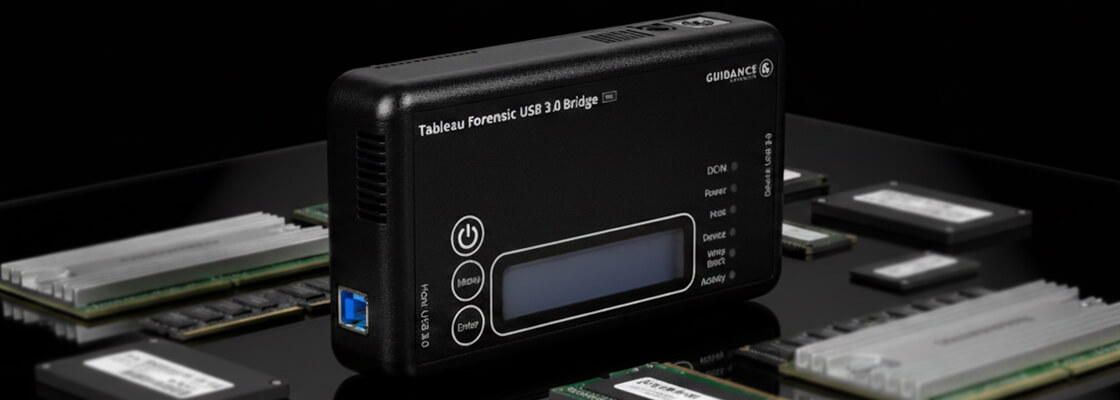
4. The Reliable Daily Driver: Tableau T8u (USB 3.0)
Not every case involves a server rack. Most of our day-to-day work involves thumb drives, SD cards, and external backups.
The Veteran’s Take: The T8u is the descendant of the early USB bridges that made our lives manageable. It’s small, affordable, and incredibly fast for USB 3.0 evidence. It’s the most cost-effective way to ensure every piece of portable media is handled with hardware-level write blocking. In 2026, “I thought it was write-protected” is not an acceptable answer on the stand. The T8u gives you the certainty the court demands.
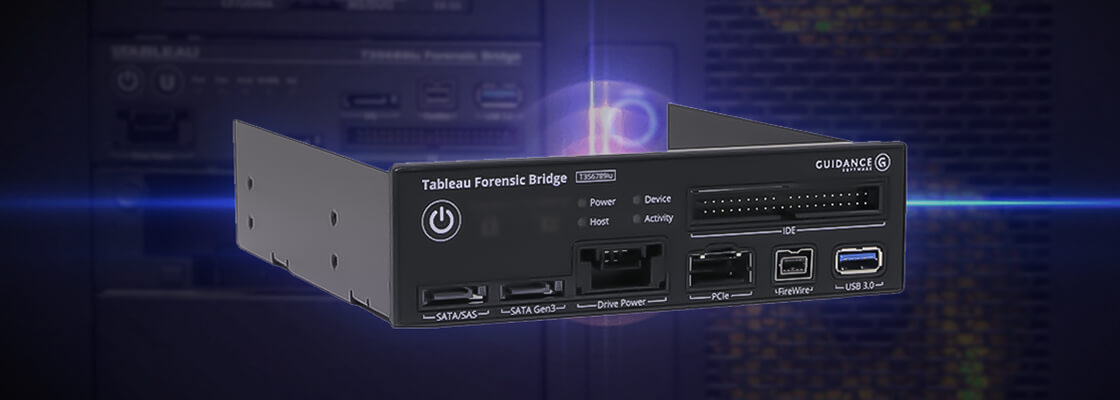
5. The Heart of the Lab: The Internal T356789iu
A cluttered lab is a lab where mistakes happen. When you’ve been doing this for 30 years, you learn that organization is a form of forensic discipline.
The Veteran’s Take: When we design our TALINO workstations, we integrate the internal T356789iu directly into a 5.25″ drive bay. It provides a permanent, high-stability intake station that’s wired directly to the system’s PCIe bus. No cables to hunt for, no power bricks to lose. It’s clean, professional, and always ready.
The Evolution of Integrity
We’ve come a long way from Safeback and 3.5-inch floppies. Today, the tools we sell at SUMURI represent the pinnacle of three decades of forensic evolution. We don’t just sell these tools because they are the industry standard; we sell them because we’ve lived the history that made them necessary.
Forensic Benchmarks for 2026:
Hardware Write Blocking: The only way to truly defeat OS-level background changes (like TRIM).
Parallel Hashing: Non-negotiable for high-capacity drives.
NVMe Compatibility: Essential for the 2013–2025 “Golden Age” of removable PCIe storage.
If you’re an old-school examiner who remembers the Safeback days, or a new tech building your first 2026 kit, I’d love to hear from you. What’s the oldest piece of gear you still keep in your “just in case” box?
Explore the Tableau and SUMURI Forensic Collection